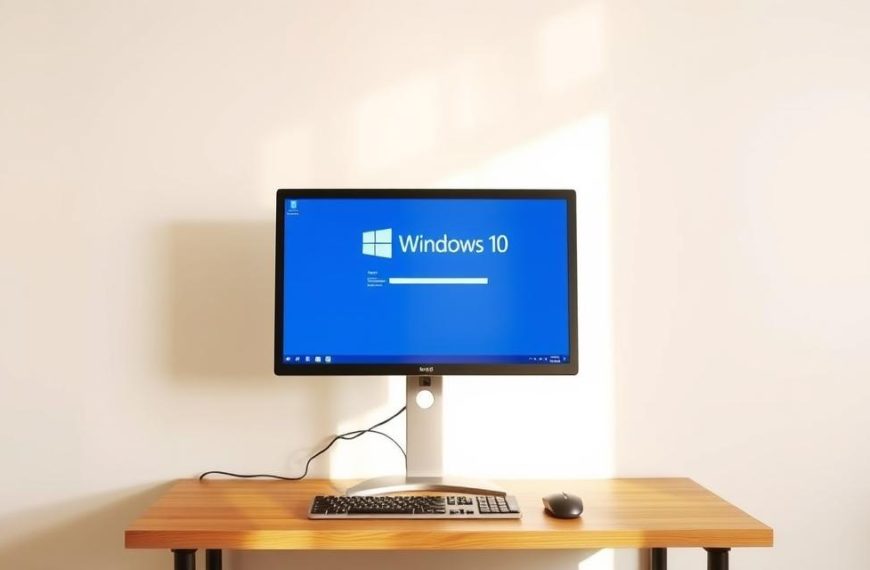
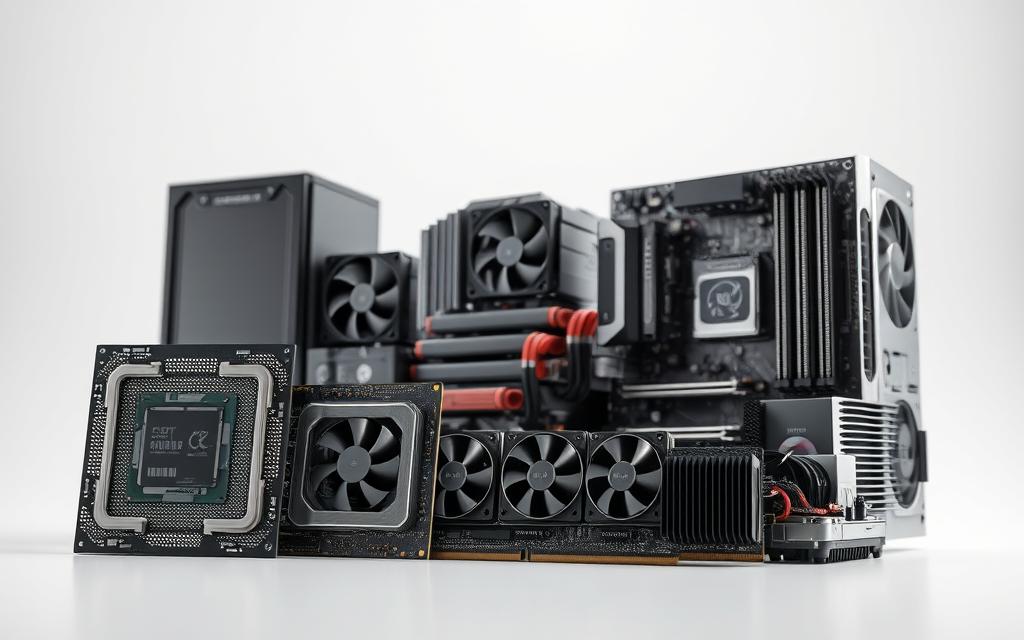

Every modern computing device needs computer hardware elements working together. These core parts make up the essential framework. They decide how well and what a system can do.
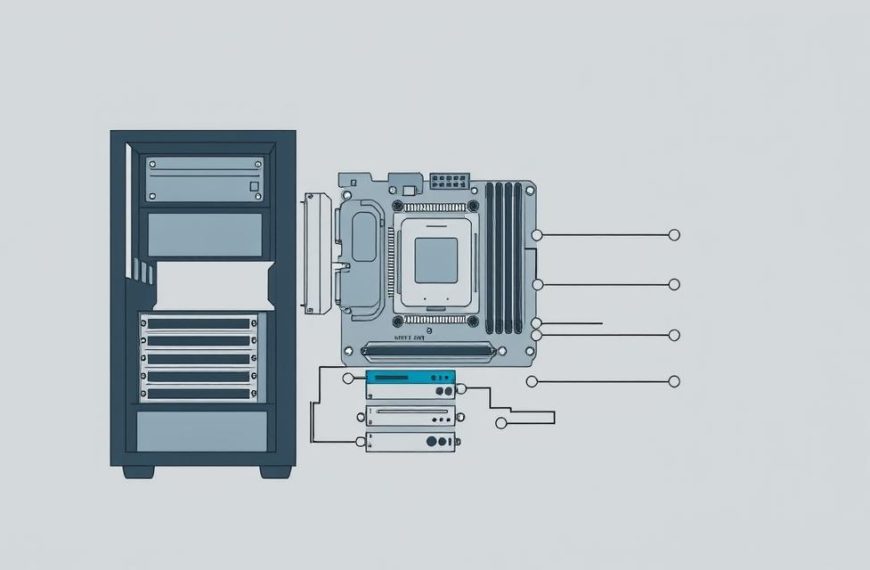
The motherboard is like the central nervous system, linking everything together. The CPU is the brain, handling instructions and calculations. The GPU is key for graphics, making visuals smooth in games and videos.
Readers exploring major components system often end up considering algebra system calculator symbolic as part of the same topic.
RAM is for temporary storage of data for running programmes. Storage devices keep your files and operating system safe. Knowing about computer architecture is key for keeping and improving your machine.
These five parts work together for smooth operation in everyday tasks and complex work. How well they work together affects your computer’s speed and lifespan.
Understanding the Central Processing Unit (CPU)
The central processing unit is the brain of modern computers. It handles all the instructions and data, making it key for any task. Whether you’re online or using complex software, the CPU works behind the scenes.
Primary Functions of the CPU
The CPU does three main things. It fetches instructions, decodes them, and then executes them. This means it does calculations or moves data as needed.
Today’s processors can do billions of these tasks every second. This speed lets computers run complex programs fast. The CPU’s efficiency affects how quickly apps start and work.
Examples: Intel Core Processors and AMD Ryzen Series
Intel and AMD lead in making advanced processors. Intel’s Core i7-12850HX is a top choice for mobile computing. AMD’s Ryzen series offers great multi-core options for different needs.
These processors use many cores to work together. This boosts system performance. More cores mean better multitasking and handling tough tasks.
Why the CPU is Crucial for System Performance
Processor speed, measured in GHz, affects how fast a system responds. Faster processors mean quicker app loading and smoother tasks.
In gaming, a strong CPU is vital. It helps keep frame rates stable and reduces delays. This is why processing speed is key for a good gaming PC.
For professional tasks like video editing or 3D rendering, a fast CPU is essential. A good processor improves performance in many areas.
The Motherboard: Connecting All Components
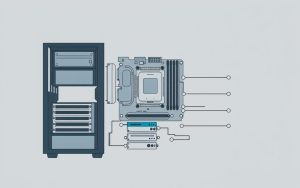
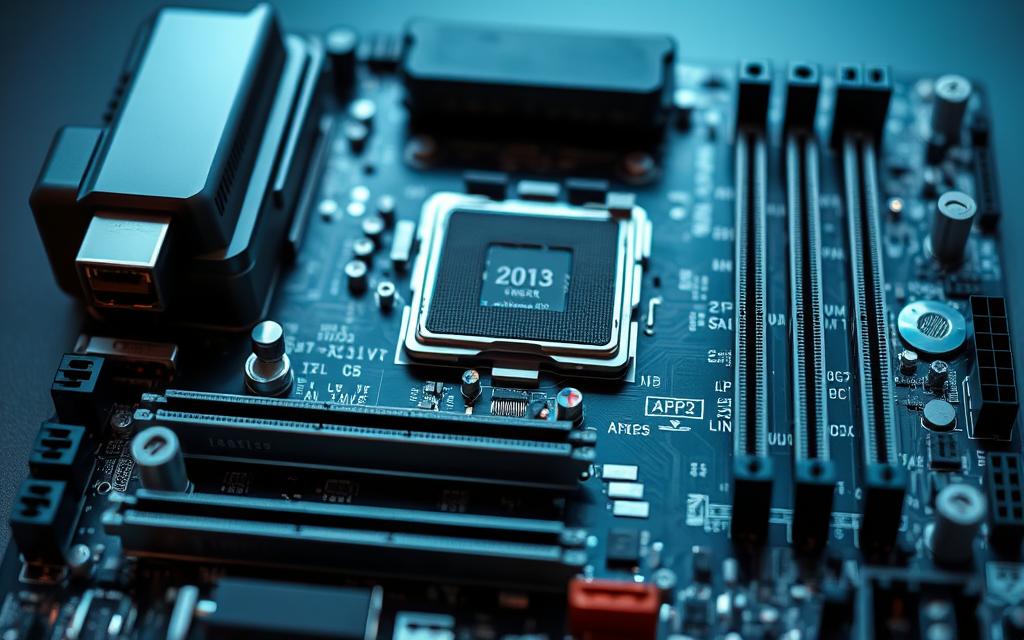
The CPU is like the brain of your computer. The motherboard is like its nervous system, connecting all parts. Choosing the right motherboard is key for your system’s performance.
Key Features and Layout
Today’s motherboards have advanced designs with many connections and slots. The layout affects how well they work and how cool they stay.
Important features include:
- CPU socket for processor installation
- RAM slots for memory modules
- PCIe slots for graphics cards and expansion cards
- SATA ports for storage devices
- Various headers for front panel connections
The motherboard’s size and shape, or form factor, is important. You’ll find ATX, Micro-ATX, and Mini-ITX sizes. Each has its own space and expansion options.
Common Motherboard Brands: ASUS and Gigabyte
Choosing a motherboard means looking at the brand’s reputation. ASUS and Gigabyte are top names, known for quality and innovation.
ASUS is famous for its strong power systems and detailed BIOS settings. Their ROG series is perfect for those who want the best performance.
Gigabyte is known for great value and durability. Their AORUS series is a top choice for those who want high-end features without the high price.
Ensuring Compatibility with Other Hardware
When building or upgrading a system, motherboard compatibility is key. The wrong motherboard can make other parts useless. So, it’s important to do your research.
Things to check include:
- CPU socket type matching your processor
- RAM type and maximum supported speed
- Expansion slot requirements for graphics cards
- Physical size constraints of your computer case
For upgrades, choose a motherboard with lots of slots and connections. This is great for workstations that might need more parts later.
When building a custom workstation, the motherboard is very important. It affects how well your system works now and in the future. A good motherboard from ASUS or Gigabyte means your system will be stable and last longer.
Memory (RAM) and Its Role
Random Access Memory is your computer’s temporary workspace. It holds data your system uses right now. Unlike permanent storage, RAM gives fast access to information, making it key for smooth operation. It clears when you turn off your computer, but it’s vital for daily tasks.
How RAM Facilitates Operations
RAM is your computer’s short-term memory. It stores data from running programs and apps. When you open software or files, they load into RAM for quick access. This stops your system from constantly reading from slower storage devices.
The speed of RAM greatly affects how fast your computer responds. More RAM means your system can handle bigger files and more apps at once. This temporary storage ensures your processor gets data quickly.
Types of RAM: DDR4 and DDR5 Technologies
DDR4 RAM has been the norm for years, meeting most computing needs. It offers good speeds and stability for everyday tasks and some gaming. Many systems use DDR4 because it’s affordable and widely compatible.
DDR5 is the latest memory tech, with better performance. It has higher data transfer rates and uses less power. DDR5 modules can handle demanding apps and complex data tasks.
| Feature | DDR4 | DDR5 |
|---|---|---|
| Data Transfer Rate | Up to 3200 MT/s | Up to 6400 MT/s |
| Voltage Requirement | 1.2V | 1.1V |
| Maximum Capacity | 16GB per module | 64GB per module |
| Ideal Use Case | General computing | Professional computing |
Effects on Multitasking and Efficiency
RAM capacity affects how well your computer handles multiple tasks. Not enough RAM makes systems slow when switching apps. This is a big problem for professional computing tasks that need lots of resources.
For content creators, engineers, and data analysts, having enough RAM is key. They often run big software while keeping other apps open. Enough memory means no constant delays or performance drops.
Upgrading your RAM is a great way to boost your system’s speed. Modern software and apps need more memory. Choosing the right RAM types and capacity ensures your computer meets today’s and tomorrow’s needs.
Storage Devices for Data Management
Every computer needs reliable storage to keep your data safe. These storage devices act as your computer’s long-term memory. They make sure your files are there when you turn it back on.
Comparing HDD and SSD Options
There are two main types of storage: Hard Disk Drives (HDDs) and Solid-State Drives (SSDs). HDDs have spinning magnetic platters, while SSDs use flash memory chips.
This difference gives each type its own benefits:
- HDDs are cheaper and hold more data
- SSDs are much faster
- SSDs use less power and heat up less
- HDDs are good for storing lots of data
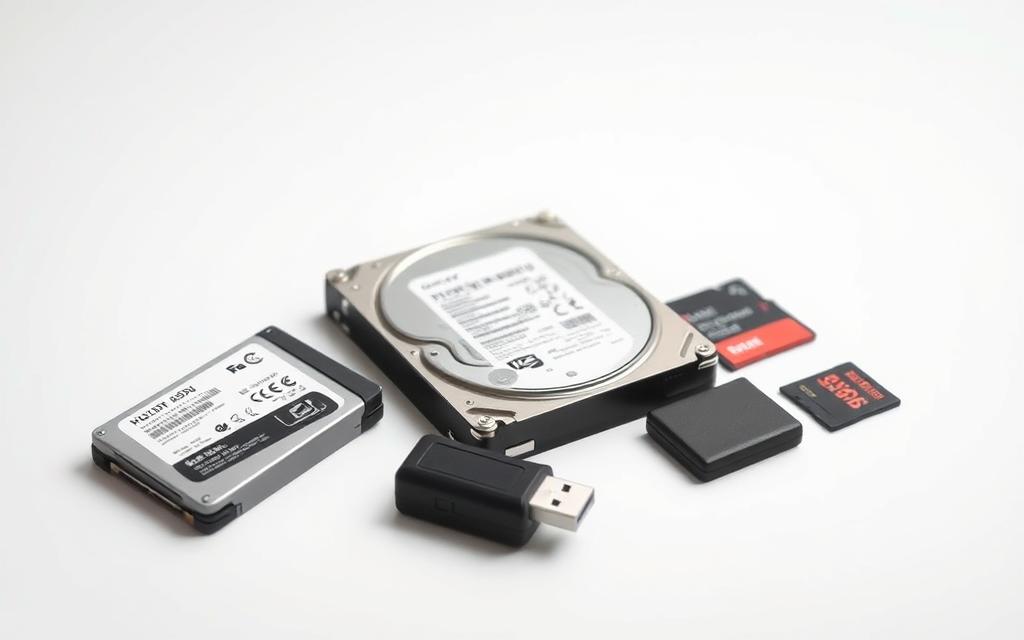
Western Digital HDDs are known for their reliability. Their WD Blue series is great for everyday use and is affordable.
For fast performance, Crucial SSDs are a top choice. Their MX500 model is fast and secure, with features like hardware encryption.
Importance of Storage in System Functionality
Your storage choice affects how fast your system is. Faster storage means quicker start-ups and faster file transfers.
This is key for all-in-one PCs, where space is limited. Upgrading to SSDs can make a big difference in performance.
Good computer data storage keeps your system running smoothly. Whether you pick HDD, SSD, or both, your storage is the base of your digital space.
What Are the 5 Major Components of a Computer System: Input and Output Devices
Input and output devices are key for users to interact with their computers. They turn human actions into digital signals and show data in easy-to-understand ways. The quality of these devices greatly affects how well we use our computers.
Essential Input Devices: Keyboards and Mice
Keyboards and mice are the basics of modern computing. They change our actions into digital commands for the computer. Good input devices have responsive keys, precise tracking, and are easy to hold for long times.
Today, many devices are wireless, using Bluetooth or special receivers. This makes them neater and works well without cables. They also come in ergonomic designs to help avoid health problems from using computers too much.
Popular Examples: Microsoft Keyboard and Apple Magic Mouse
The Microsoft Keyboard series is known for being reliable and comfortable. They have quiet keys, are spill-proof, and last a long time on battery. They also have special keys for quick tasks, making work easier.
The Apple Magic Mouse is loved for its touch surface. It lets you use gestures and swipes for easy navigation. Its sleek look and smooth work with macOS make it a top choice for Apple fans. Both show how good design can make computing better.
Key Output Devices: Monitors and Printers
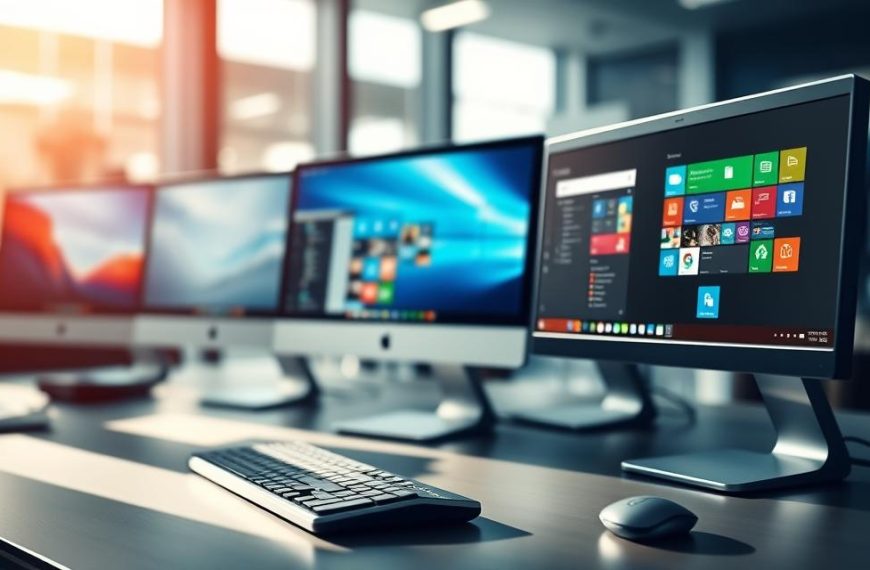
Output devices show us what the computer has processed. Monitors show pictures, and printers make hard copies of documents. The quality of these devices is key to how well we can use computer information.
Today’s output devices connect in many ways, like HDMI, DisplayPort, and USB-C. How clear and fast they show images is very important.
Notable Models: LG Monitors and Epson Printers
LG monitors are famous for their top-notch display quality and cool features. They use IPS technology for better viewing angles and colours. Some are made for gaming, with fast refresh rates and quick response times.
Epson printers are known for making prints that are both clear and efficient. Their PrecisionCore tech makes text sharp and colours bright, using less ink. Many Epson printers also let you print wirelessly from different devices, making it easy in homes and offices.
| Device Type | Primary Function | Connectivity Options | Impact on System Performance |
|---|---|---|---|
| Keyboard | Text input and command execution | USB, Bluetooth, Wireless dongle | Minimal processing overhead |
| Mouse | Cursor control and selection | USB, Bluetooth, Wireless dongle | Low resource usage |
| Monitor | Visual output display | HDMI, DisplayPort, VGA, USB-C | GPU-dependent for resolution and refresh rate |
| Printer | Physical document production | USB, Ethernet, Wi-Fi, Cloud | Memory usage during print jobs |
Choosing the right input and output devices is important. It depends on what you need, how you use your computer, and your budget. For work, you might want durable and special features. At home, you might prefer something easy to use and looks good.
Keeping these devices in good shape is important. Regular updates and maintenance help them work well. Good devices make using your computer better and more enjoyable.
Conclusion
Learning about the five key parts of a computer is very important. These are the motherboard, CPU, GPU, RAM, and storage. Together, they decide how fast and powerful your computer is.
Each part has a special job. The motherboard helps all parts talk to each other. The CPU does the math. RAM makes sure you can do lots of things at once. Storage keeps your files safe.
Knowing about these parts helps you take better care of your computer. You can make smart choices about fixing or improving it. For more details, check out this guide to computer components on GeeksforGeeks.
Looking after your computer’s parts can make it last longer and work better. Keeping your computer updated and adding new parts helps it stay fast for a long time.
Using this knowledge can help you fix problems and make your computer better. Understanding how these parts work together is key to getting the most out of your computer.

 By
By